

Marketing tips for small businesses
Plain-English advice on social media, websites, SEO, and email and text marketing for small businesses in Bonham and across Northeast Texas. New posts go up weekly.
All posts
Local SEO
Why Local Businesses Need a Different Marketing Strategy
Small-town businesses don't win with big-brand marketing. Here's why local businesses need a different strategy, and what actually works in Northeast Texas.
Email marketing
How Automated Emails Save Small Business Owners Time
Automated emails handle welcomes, reminders, follow ups and review requests for you. Here's how small business owners in Texas win back hours every week.
Email marketing
What Is a Lead Magnet and Should Your Business Have One?
A lead magnet is a free, useful offer that turns visitors into contacts. Learn what makes a good one and whether your small business needs one.
Email marketing
How Email Marketing Builds Long-Term Customer Relationships
Email marketing turns one-time buyers into loyal regulars. Here's how small businesses in Northeast Texas build trust and repeat customers by email.
Email marketing
Why Discounts Aren't the Only Reason to Email Customers
Email marketing is more than coupons. Here's what small businesses can send customers besides discounts, and why it builds trust, loyalty, and sales.
Email marketing
How Email Marketing Supports Social Media and SEO
Learn how email marketing drives website traffic, fuels social content, and builds the customer relationships that strengthen your SEO and social reach.
Email marketing
How Small Businesses Can Build an Email List (Ethically)
Learn permission-based, CAN-SPAM-compliant ways small businesses can grow an email list that actually converts, without buying lists or spamming.
Email marketing
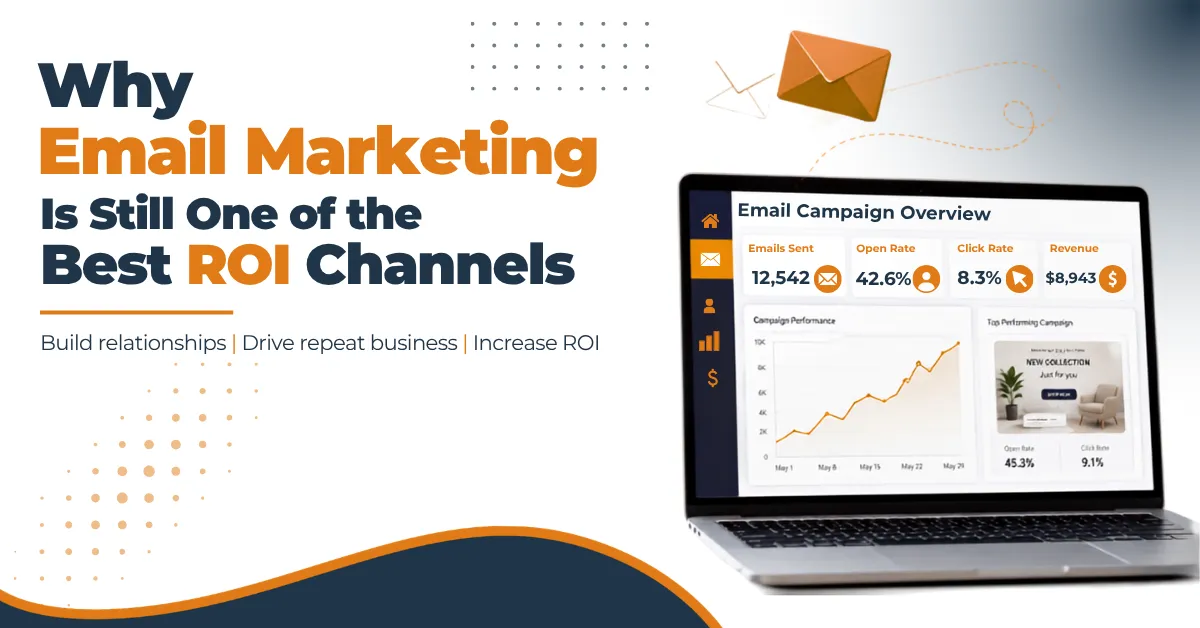
Why Email Marketing Is Still One of the Best ROI Channels
Why email marketing still delivers one of the best returns for small businesses, and how to use it to build relationships and bring customers back.
Social media management
Should Small Businesses Be on Facebook, Instagram, or Both?
Should your small business use Facebook, Instagram, or both? Learn which social media platforms are best for reaching customers and growing your local business.
Social media management
How to Use Social Media to Stay Top-of-Mind Locally
Learn how small businesses can use consistent, local social media marketing to stay top-of-mind, build trust, and attract more customers.
Social media management
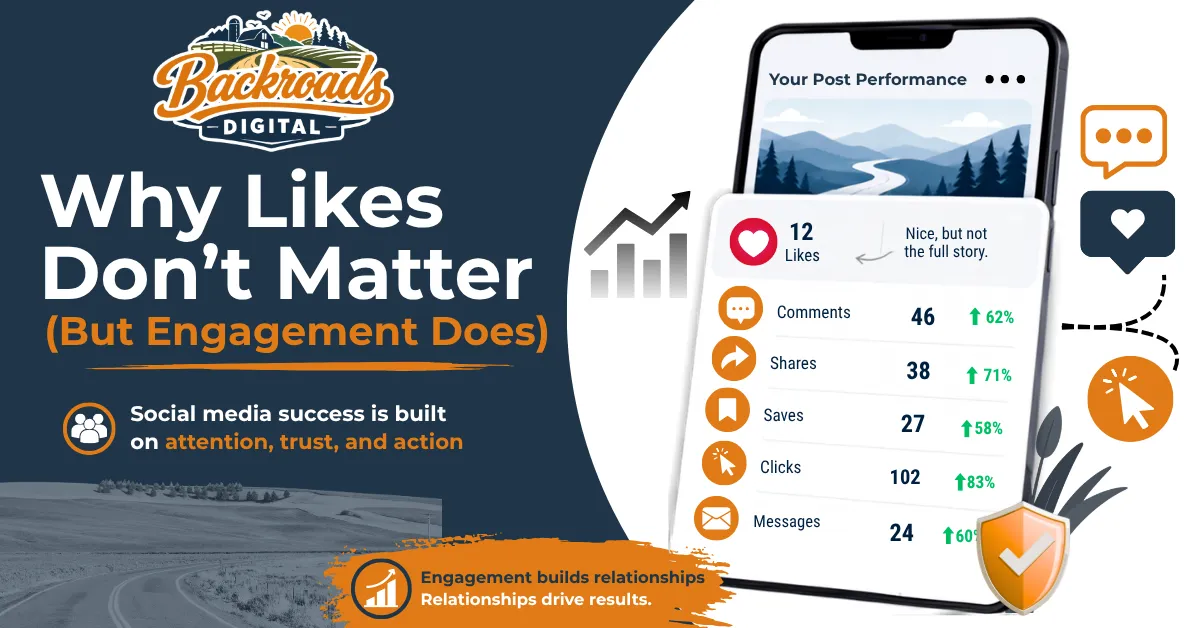
Why Likes Don’t Matter (But Engagement Does)
Likes feel good but don't pay the bills. Learn which social media numbers actually matter for small businesses: comments, shares, clicks and calls.
Social media management
How Social Media Helps Even “Word-of-Mouth” Businesses
Think your business only needs word-of-mouth? Learn how social media strengthens referrals, builds trust, and helps local customers choose your business.
Social media management
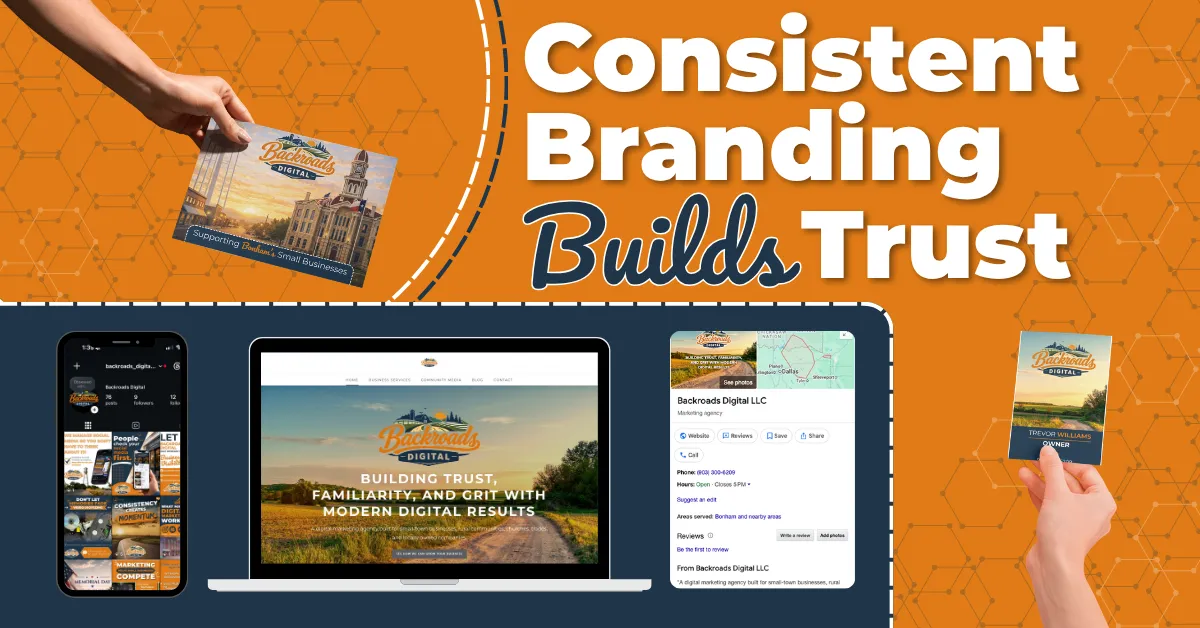
Why Consistent Branding Builds Trust in Small Communities
Learn why consistent branding builds trust in small communities and how a recognizable online presence helps local businesses attract loyal customers.
Social media management
Why Consistency Beats Virality Every Time
Going viral is luck. Showing up every week is a plan. Why steady social media builds more trust and more customers for small businesses than one big hit.
Social media management
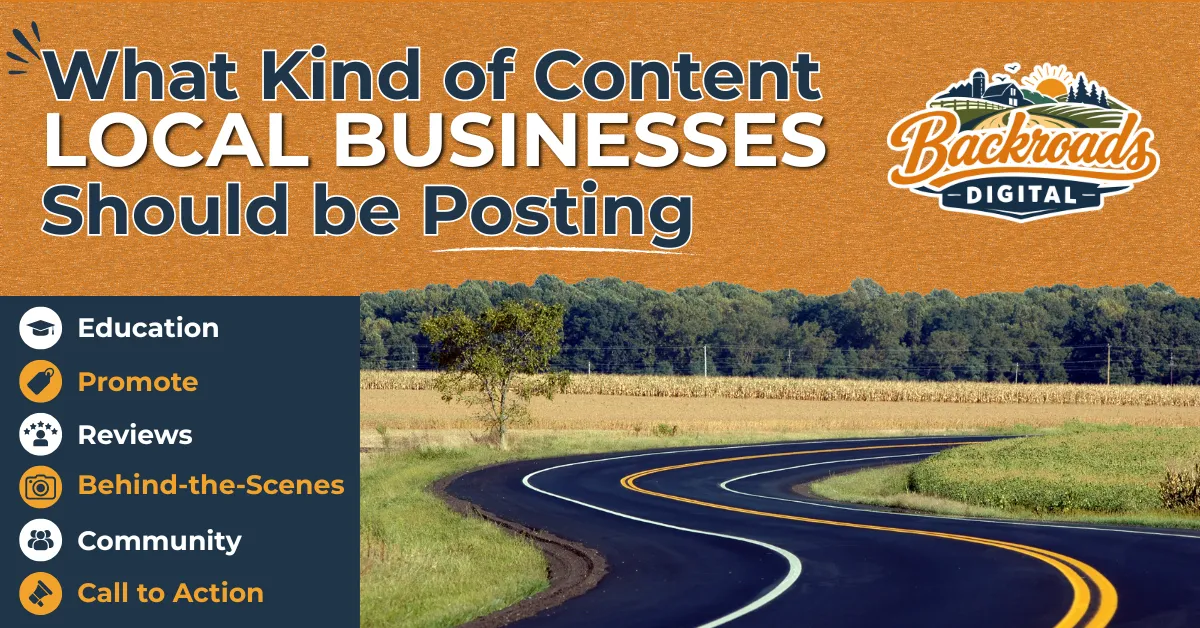
What Kind of Content Should Local Businesses Be Posting?
Wondering what your local business should post on social media? Learn the best types of content to build trust, stay visible, and attract more local customers.
Social media management
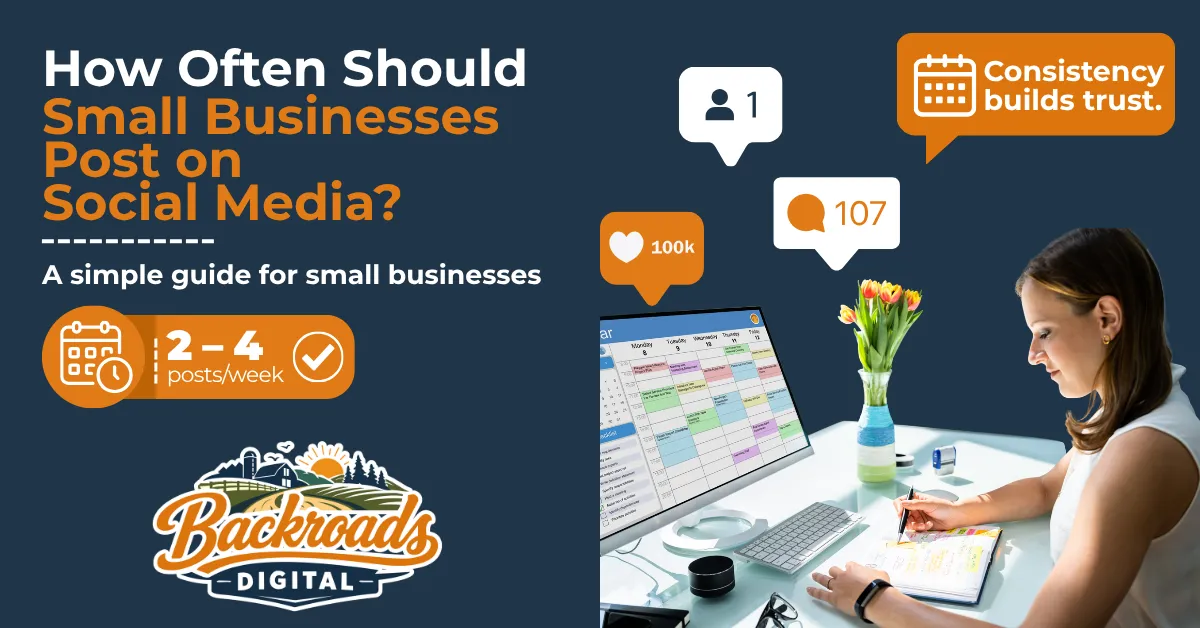
How Often Should Small Businesses Post on Social Media?
How often should a small business post on social media? Learn the right posting frequency for Facebook and Instagram, plus a simple weekly content plan.
Social media management
Why Posting Randomly Hurts Your Business
Posting only when you remember can hurt your business. Learn why consistent, planned social media builds momentum and trust for small businesses.
Social media management
How Social Media Builds Trust Before Someone Ever Calls You
Learn how consistent social media helps small businesses build trust, stay visible, and make potential customers more likely to call, message, or visit.
Digital marketing services
Why Your Business Needs Marketing Even When You’re Busy
Busy now doesn't mean busy in three months. Why small businesses should keep marketing in their best seasons, and how to do it without extra work.
Digital marketing services
How Marketing Helps You Compete With Bigger Companies
You can't outspend the big chains, but you can out-local them. How small businesses use trust, visibility and consistency to compete with bigger companies.

DVD and VHS digitizing
Save Your Old Family Videos Before They’re Gone
Old VHS tapes and DVDs do not last forever. Learn why to digitize your family videos now, before they wear out, break, or become unwatchable.
Local SEO
What is a Google Business Profile and Why it Matters
A Google Business Profile puts your business on Google Maps and in the local 3-pack. What it is, why it matters, and what a strong profile includes.
Local SEO
How Blog Content Helps Your Website Rank on Google
Learn how blog content improves your Google rankings, drives traffic, and helps small businesses get found online with simple SEO strategies.
Local SEO
How Google Decides Which Local Businesses Show Up First
Google ranks local businesses on relevance, distance and prominence. Here's what each one means and what you can do to show up higher in local search.
Local SEO
SEO Explained in Plain English for Business Owners
SEO in plain English: what it is, how Google decides who shows up, and simple steps small business owners can take this week to get found.
Website design
Common Website Design Mistakes We See All the Time
The website design mistakes we see most on small business sites, from slow pages to missing calls to action, and the simple fixes that win customers back.
Website design
The Most Important Pages Every Small Business Website Needs
The pages every small business website needs, from the homepage and services to FAQs and a service area page, and what each one should do for you.
Website design
Why Your Homepage Matters More Than Any Other Page
Your homepage is your digital storefront and often the first place people land. Learn what it needs to earn trust and turn visitors into calls.
Website design
The Importance of Website Speed for Small Businesses
A slow website costs small businesses customers and search rankings. Learn why speed matters and the simple fixes that make a site load faster.
Website design
Why Mobile-Friendly Websites Matter More Than Ever
Most local customers find you on their phone. Why a mobile-friendly website matters for small businesses, for Google rankings and for getting the call.
Website design
Signs Your Website Is Costing You Customers
A website can exist and still quietly turn customers away. Here are the warning signs small business owners miss, and what to fix first.
Website design
What Makes a Website Convert Visitors Into Customers?
A good-looking website is not enough. Learn the clear messaging, easy navigation, speed and calls to action that turn visitors into customers.
Website design
Website vs. Social Media: Which Matters More for Local Businesses?
Do you need a website if you are active on social media? Learn how each one helps local businesses get found and why the two work best together.
Paid advertising
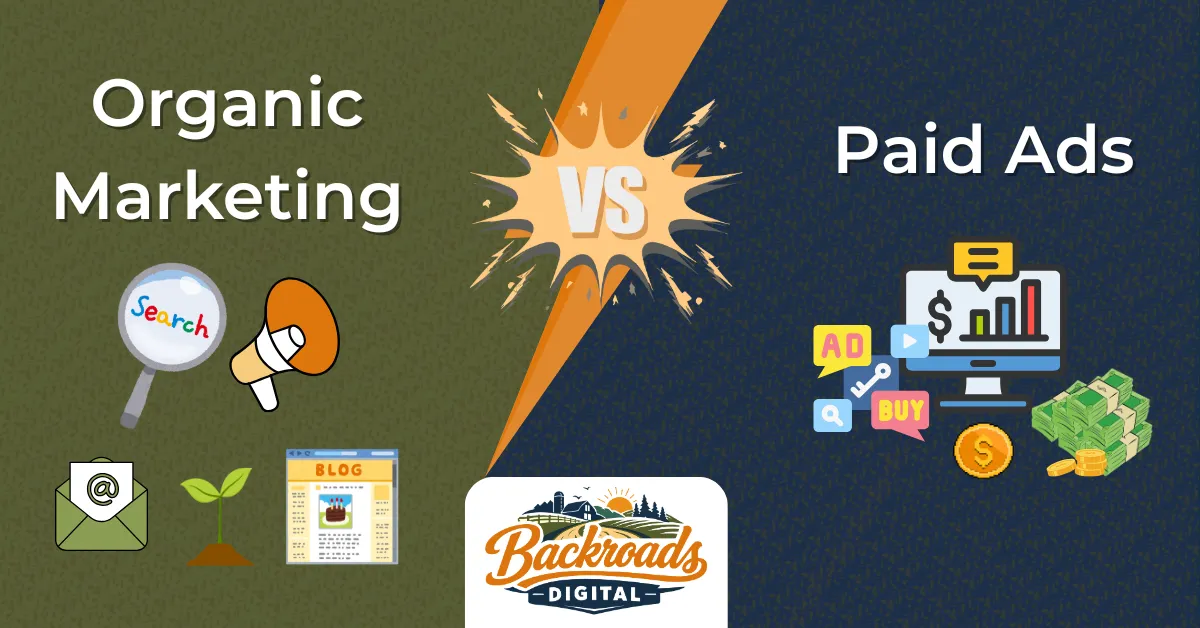
Organic Marketing vs. Paid Ads: What’s the Difference?
Organic marketing builds trust over time, while paid ads buy faster reach. Learn how each works and how small businesses can use both to grow.
Digital marketing services
Why “Set It and Forget It” Marketing Doesn’t Work for Small Businesses
Launching a website and a few profiles is not a marketing plan. Learn why set it and forget it fails and what ongoing marketing looks like.
Digital marketing services
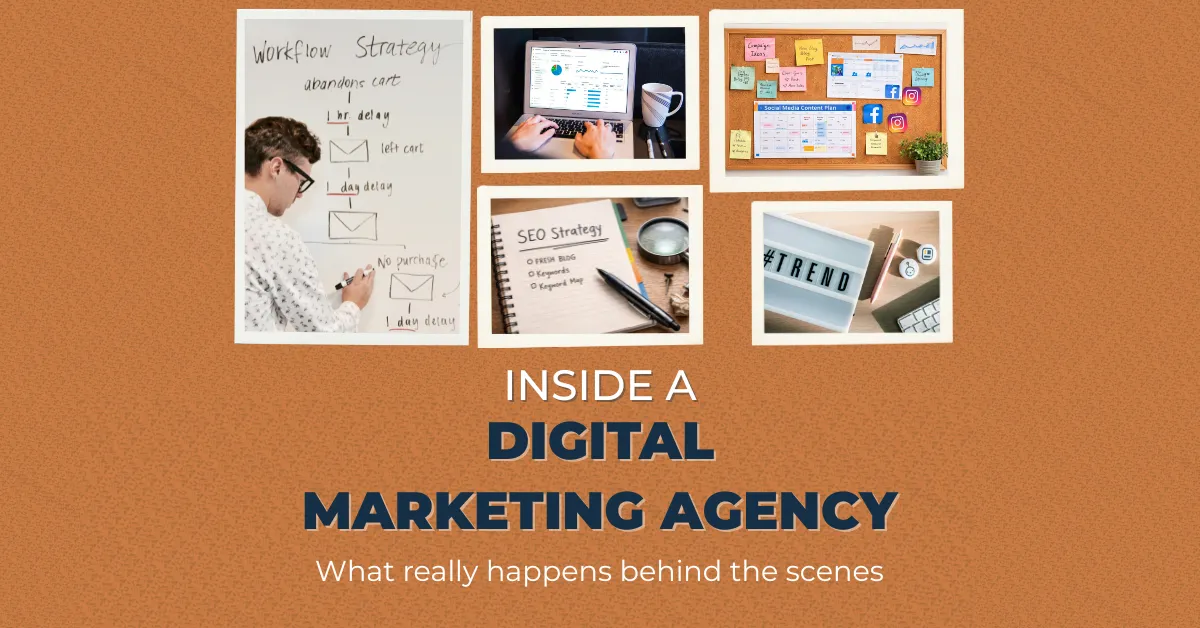
What a Digital Marketing Company Actually Does (Behind the Scenes)
Digital marketing looks simple from the outside. Here is what a marketing company actually does behind the scenes, and what you are really paying for.
Digital marketing services
What Is Digital Marketing (and Why Small Businesses Can’t Ignore It)
Digital marketing, explained in plain English. Learn what it includes and why it matters so much for small, local businesses in Northeast Texas.
Ready to talk about your marketing?
Call or text Trevor. You will get a real answer from the owner, not a call center.